When the Lights Go Out: Power, Resilience, and Rapid Response
In July, Rotifunk Hospital faced one of its most urgent challenges yet.
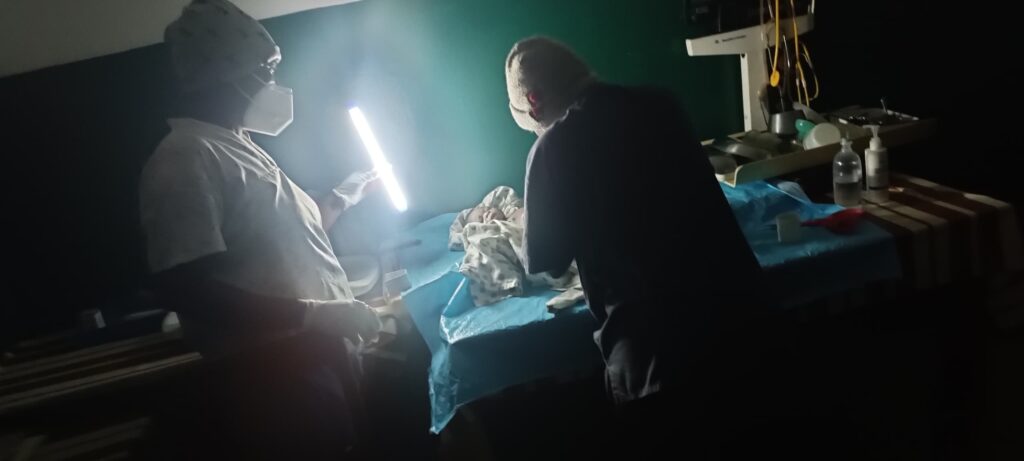
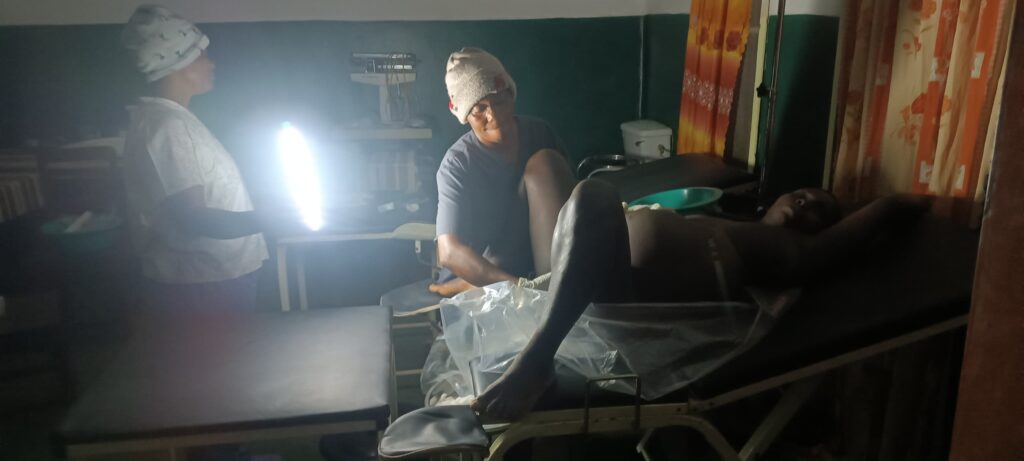
In the early hours of July 11, the hospital’s backup generator failed while two patients were receiving oxygen. With solar power limited during the rainy season, the hospital was suddenly without electricity — underscoring how fragile rural healthcare infrastructure can be.
Emergency technicians were called, and Mission of Hope began assessing both repair costs and fuel needs. Reliable generator fuel during the rainy season is not a luxury; it powers oxygen, refrigeration for blood supplies, sterilization equipment, and lighting for surgeries.
Despite these challenges, progress continued elsewhere. The hospital acquired beds, delivery equipment, and medical supplies at significant savings through Mercy Ships in Freetown. These purchases were funded entirely through hospital income — evidence of growing internal capacity.
The hospital also expanded its garden, planted palm trees, and improved patient wards, small but meaningful investments in dignity and healing.
July’s events remind us that healthcare in Rotifunk depends not only on doctors and nurses, but on fuel, wiring, and timely support — often unseen, yet absolutely essential.